GEEETECH TPU 3D Drucker Filament 1,75 mm, 1 kg Spule
GEEETECH TPU 3D Drucker Filament 1,75 mm, 1 kg Spule - Rot / USA ist auf Lager und wird versandt, sobald es wieder verfügbar ist
Versand & Lieferung
Versand & Lieferung
Bestellungen werden in der Regel innerhalb von 5–15 Werktagen geliefert. Die Lieferzeiten können je nach Bestimmungsort, Verfügbarkeit im lokalen Lager, Zollabfertigung und Speditionsbedingungen variieren. Eine Sendungsverfolgung wird zur Verfügung gestellt, sobald Ihre Bestellung versandt wurde.

GEEETECH TPU 3D Drucker Filament 1,75 mm, 1 kg Spule

GEEETECH TPU 3D Drucker Filament 1,75 mm, 1 kg Spule - Rot / USA ist auf Lager und wird versandt, sobald es wieder verfügbar ist

Beschreibung
Beschreibung
Über diesen Artikel
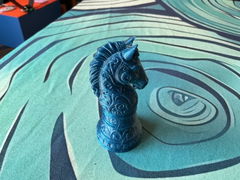
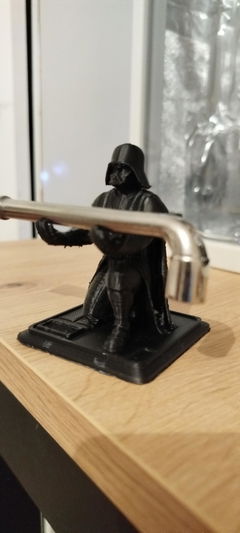
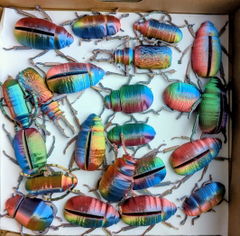
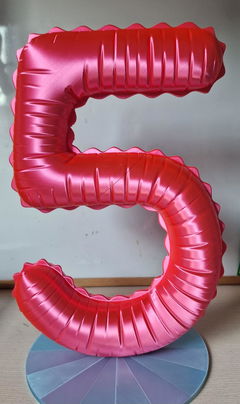
【Weich und hochelastisch】Mit Geeetech TPU können Sie dank seiner hohen Flexibilität und Belastbarkeit starke Teile drucken. Sie können eine Vielzahl von Projekten drucken, wie z.B. Schuheinlegesohlen, Uhrenarmbänder, Handyhüllen, Drohnenteile und so weiter.
【Hohe Qualität】Geeetech TPU ist einfach zu drucken, minimale Toleranz und Verzug, einfache Handhabung, minimale Verformung, kein Geruch, kein Verstopfen, keine Blasen.
【Breite Kompatibilität & hohe Maßhaltigkeit】Geeetech TPU ist kompatibel mit FDM 3D-Druckern mit Kurzstreckenextrusion, die 1,75 mm Durchmesser Filament verwenden, mit einer Maßhaltigkeit von +/- 0,05 mm.
【Vakuumversiegelte Verpackung】Geeetech Filament ist in einem versiegelten Vakuumbeutel mit einem Trockenmittelbeutel verpackt, um es trocken zu halten und seine hohe Leistung für lange Zeit zu erhalten.
【Drucktipps & Support】Empfohlene Drucktemperatur 200-230℃, Betttemperatur 50-60℃. Geeetech bietet Kundenservice innerhalb von 24 Stunden. Wenn Sie Fragen haben, können Sie uns JEDERZEIT kontaktieren.
Zahlung & Sicherheit
Zahlungsmethoden
Ihre Zahlungsinformationen werden sicher verarbeitet. Wir speichern keine Kreditkartendaten und haben auch keinen Zugriff auf Ihre Kreditkarteninformationen.
I printed the TPU 95A on my Bambulab P1S with the following settings: Nozzle temp.: 215°C, Bed temp.: 30°C, Outer wall speed: 35mm/s, Inner wall speed: 45mm/s, Infill speed: 45mm/s, Surface speed: 30mm/s. I set the retraction to 1mm to prevent stringing. No stringing occurred while printing the TPU. Bed adhesion was very good, which is why I recommend using a bed temperature of less than 30°C. There were also no problems with the TPU getting stuck in the PTFE tube. The finished protective frame looks great, and the dimensional accuracy of the print is also very good.
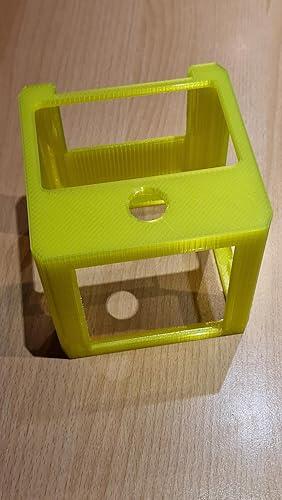
Hi Hess, thank you so much for the TPU printing parameters. The models look great. Feel free to contact me if you have any questions.
Prints exactly at its stated numbers — and does string. 4/5.
Tested on a QIDI Q2 (enclosed, direct drive, 0.4 mm stainless nozzle, textured PEI, OrcaSlicer). Four test coupons, one variable changed at a time, roughly 16 g total. Spool opened from its vacuum-sealed bag the day before.
What works. The label numbers are honest, which is rarer than it should be. 220 °C nozzle (225 first layer), 55 °C bed, and a 3 mm³/s volumetric limit — which is exactly the 40 mm/s ceiling Geeetech quotes, converted to flow — gave a usable part on the first attempt, with no failed prints and no clogs at any point.
Dimensional accuracy is the standout. On a test coupon with a 46 × 30 mm nominal base I measured 45.90 × 29.85 mm, and cube height 4.97 against 5.00 — that is roughly 0.1 mm undersize on outer contours, and consistent enough to compensate in CAD. A 12 mm unsupported bridge came out at 11.85 with only slight sag and no broken strands, which is better than I expected from a flexible. M3 threads printed cleanly with no rework. Top surfaces closed without ridges or gaps at the slicer's default flow ratio of 1.00, so I never needed to tune extrusion multiplier at all.
Bed adhesion on textured PEI at 55 °C is strong — arguably too strong. Let the plate cool fully before removing parts, or you will be fighting the sheet.
What to expect. It strings, and settings will not solve it. I ran the full manufacturer temperature window with everything else held constant: 210 °C was noticeably worse, while 220 and 230 were indistinguishable. Longer retraction (1.2 mm @ 25 mm/s instead of my printer's stock 0.8 mm @ 30) helped a little. Travel speed was verified at 500 mm/s in the sliced file, so slow travel is not the cause, and moisture is not either — wet TPU strings worse at 230 °C while popping and roughening surfaces, and none of that happened on a spool one day out of its sealed bag. This is simply how this melt behaves: elastic, low surface tension, so it draws out instead of snapping. A heat gun or a lighter pass removes the whiskers in a few seconds, which is standard practice for TPU anyway.
Worth noting that multi-island test geometry exaggerates the problem badly, because the nozzle constantly travels over open space. Single-body functional parts — gaskets, feet, dampers, cable strain reliefs — show far less of it.
On the name. "Transparent" means frosted translucent, not glass-clear. Light passes through, the infill pattern is visible through the wall, and thin single-wall sections look milky. Attractive in its own way, but do not buy it expecting an optically clear part.
One warning that is not Geeetech's fault: some third-party profile databases list drying for this filament at 75 °C for 18 hours while listing a 40 °C softening temperature on the same page. Those cannot both be true, and 75 °C will fuse a coil solid. Dry at 45–50 °C.
Verdict: 4/5. Predictable, no failures, honest specification, and dimensional behaviour good enough to design around. One star off for stringing that no amount of tuning removed. I would buy it again for functional flexible parts; I would not choose it for anything where visible surfaces have to come off the plate finished.
Caveat on scope: this covers printability and dimensional accuracy only. I have not tested long-term elasticity, tear strength, UV exposure, or chemical resistance.
FILAMENT
Material TPU 95A
Diameter 1.75 mm
Density 1.24 g/cm3
Empty spool 114 g
Nozzle temp 220 C
Nozzle temp, 1st layer 225 C
Bed temp 55 C (set on ALL plate types, not just one)
Chamber not heated (0 C)
Max volumetric speed 3.0 mm3/s
Flow ratio 1.00 (slicer default, left untouched - see notes)
Pressure advance 0.10 (QIDI stock value, not re-tuned)
Retraction 1.2 mm @ 25 mm/s (retract and deretract)
Drying 45-50 C, 6-8 h (do NOT dry at 75 C - see notes)
COOLING
Part fan 30-60 %
Overhang fan 60 % above 25 % overhang
Fan off for first 1 layer
Min layer time 12 s
Aux cooling fan off
Chamber exhaust 100 % during print, air filtration on
PROCESS (OrcaSlicer, "flex" profile)
Layer height 0.2 mm (first layer 0.2 mm)
Line width 0.42 mm (first layer 0.5 mm)
Walls 3
Top / bottom shells 5 / 3
Infill 15 % gyroid
Brim 5 mm
Supports none
Speed, all extruding 34 mm/s (outer wall, inner wall, infill, solid, top, gap)
Speed, first layer 20 mm/s (infill 25 mm/s)
Speed, bridges 25 mm/s
Travel speed 500 mm/s
Acceleration 1500 default / 1000 outer wall / 500 first layer / 3000 travel
Z-hop 0.6 mm, normal lift
Wipe o...
Prints exactly at its stated numbers — and does string. 4/5.
Tested on a QIDI Q2 (enclosed, direct drive, 0.4 mm stainless nozzle, textured PEI, OrcaSlicer). Four test coupons, one variable changed at a time, roughly 16 g total. Spool opened from its vacuum-sealed bag the day before.
What works. The label numbers are honest, which is rarer than it should be. 220 °C nozzle (225 first layer), 55 °C bed, and a 3 mm³/s volumetric limit — which is exactly the 40 mm/s ceiling Geeetech quotes, converted to flow — gave a usable part on the first attempt, with no failed prints and no clogs at any point.
Dimensional accuracy is the standout. On a test coupon with a 46 × 30 mm nominal base I measured 45.90 × 29.85 mm, and cube height 4.97 against 5.00 — that is roughly 0.1 mm undersize on outer contours, and consistent enough to compensate in CAD. A 12 mm unsupported bridge came out at 11.85 with only slight sag and no broken strands, which is better than I expected from a flexible. M3 threads printed cleanly with no rework. Top surfaces closed without ridges or gaps at the slicer's default flow ratio of 1.00, so I never needed to tune extrusion multiplier at all.
Bed adhesion on textured PEI at 55 °C is strong — arguably too strong. Let the plate cool fully before removing parts, or you will be fighting the sheet.
What to expect. It strings, and settings will not solve it. I ran the full manufacturer temperature window with everything else held constant: 210 °C was noticeably worse, while 220 and 230 were indistinguishable. Longer retraction (1.2 mm @ 25 mm/s instead of my printer's stock 0.8 mm @ 30) helped a little. Travel speed was verified at 500 mm/s in the sliced file, so slow travel is not the cause, and moisture is not either — wet TPU strings worse at 230 °C while popping and roughening surfaces, and none of that happened on a spool one day out of its sealed bag. This is simply how this melt behaves: elastic, low surface tension, so it draws out instead of snapping. A heat gun or a lighter pass removes the whiskers in a few seconds, which is standard practice for TPU anyway.
Worth noting that multi-island test geometry exaggerates the problem badly, because the nozzle constantly travels over open space. Single-body functional parts — gaskets, feet, dampers, cable strain reliefs — show far less of it.
On the name. "Transparent" means frosted translucent, not glass-clear. Light passes through, the infill pattern is visible through the wall, and thin single-wall sections look milky. Attractive in its own way, but do not buy it expecting an optically clear part.
One warning that is not Geeetech's fault: some third-party profile databases list drying for this filament at 75 °C for 18 hours while listing a 40 °C softening temperature on the same page. Those cannot both be true, and 75 °C will fuse a coil solid. Dry at 45–50 °C.
Verdict: 4/5. Predictable, no failures, honest specification, and dimensional behaviour good enough to design around. One star off for stringing that no amount of tuning removed. I would buy it again for functional flexible parts; I would not choose it for anything where visible surfaces have to come off the plate finished.
Caveat on scope: this covers printability and dimensional accuracy only. I have not tested long-term elasticity, tear strength, UV exposure, or chemical resistance.
FILAMENT
Material TPU 95A
Diameter 1.75 mm
Density 1.24 g/cm3
Empty spool 114 g
Nozzle temp 220 C
Nozzle temp, 1st layer 225 C
Bed temp 55 C (set on ALL plate types, not just one)
Chamber not heated (0 C)
Max volumetric speed 3.0 mm3/s
Flow ratio 1.00 (slicer default, left untouched - see notes)
Pressure advance 0.10 (QIDI stock value, not re-tuned)
Retraction 1.2 mm @ 25 mm/s (retract and deretract)
Drying 45-50 C, 6-8 h (do NOT dry at 75 C - see notes)
COOLING
Part fan 30-60 %
Overhang fan 60 % above 25 % overhang
Fan off for first 1 layer
Min layer time 12 s
Aux cooling fan off
Chamber exhaust 100 % during print, air filtration on
PROCESS (OrcaSlicer, "flex" profile)
Layer height 0.2 mm (first layer 0.2 mm)
Line width 0.42 mm (first layer 0.5 mm)
Walls 3
Top / bottom shells 5 / 3
Infill 15 % gyroid
Brim 5 mm
Supports none
Speed, all extruding 34 mm/s (outer wall, inner wall, infill, solid, top, gap)
Speed, first layer 20 mm/s (infill 25 mm/s)
Speed, bridges 25 mm/s
Travel speed 500 mm/s
Acceleration 1500 default / 1000 outer wall / 500 first layer / 3000 travel
Z-hop 0.6 mm, normal lift
Wipe ...